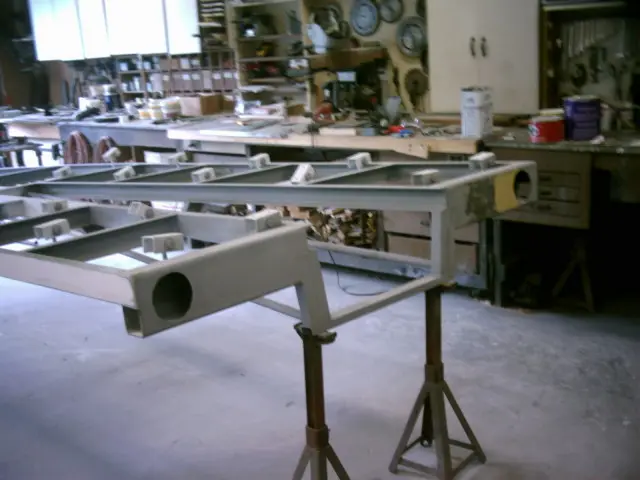
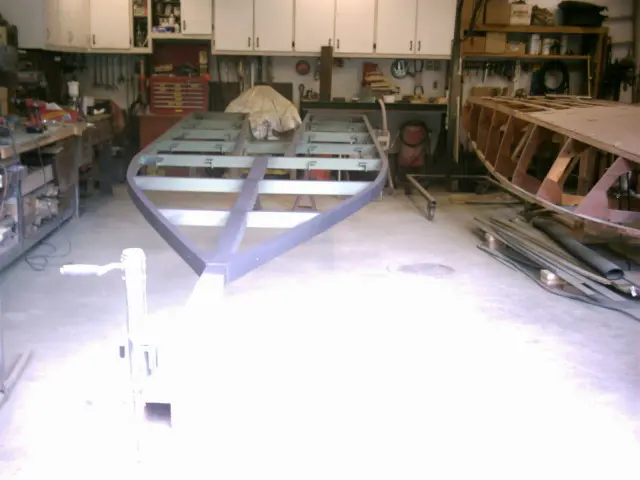
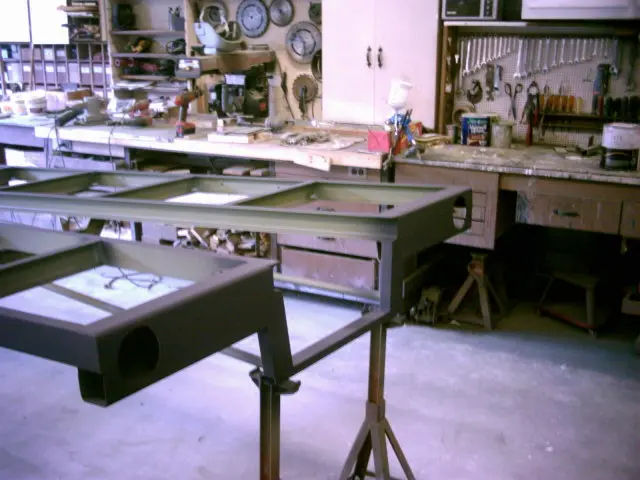
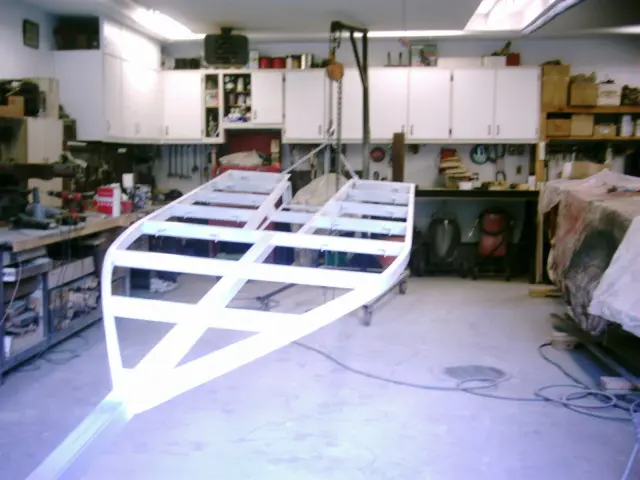
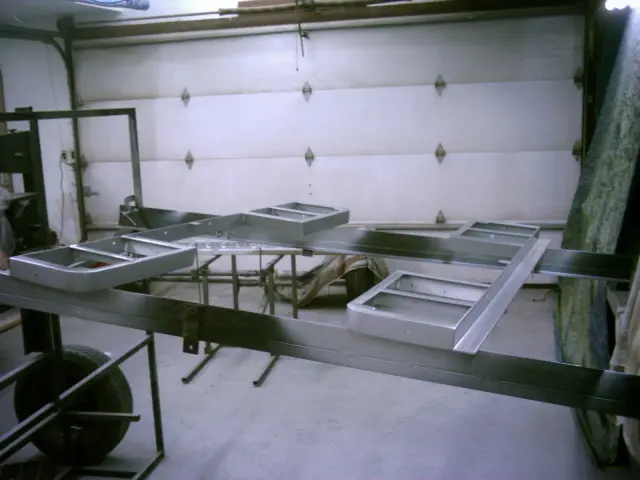
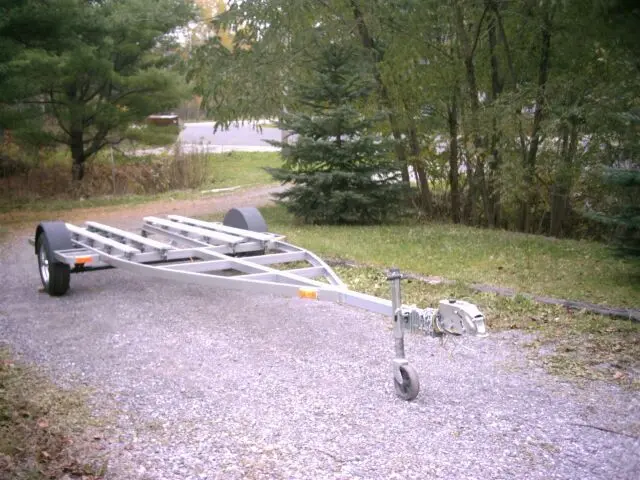
Trailer: The trailer was disassembled and body filler was used to smooth out the frame rails
1. The trailer was disassembled and body filler was used to smooth out the frame rails.
2. A self-etching primer and a urethane primer-surfacer were sprayed on the worked-over areas.
3. The primer was block-sanded and prepped for paint.
Trailer: To provide a solid base color for the metallic silver to follow, a full round of Imron whi
1. To provide a solid base color for the metallic silver to follow, a full round of Imron white urethane was applied. Two rounds of Imron metallic silver were applied once the white had flashed off.
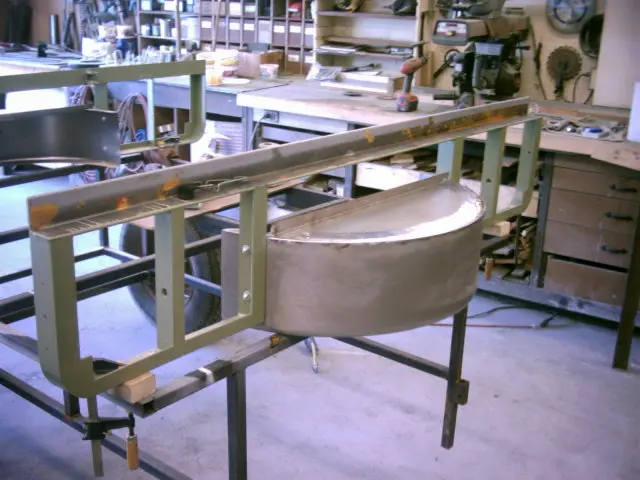
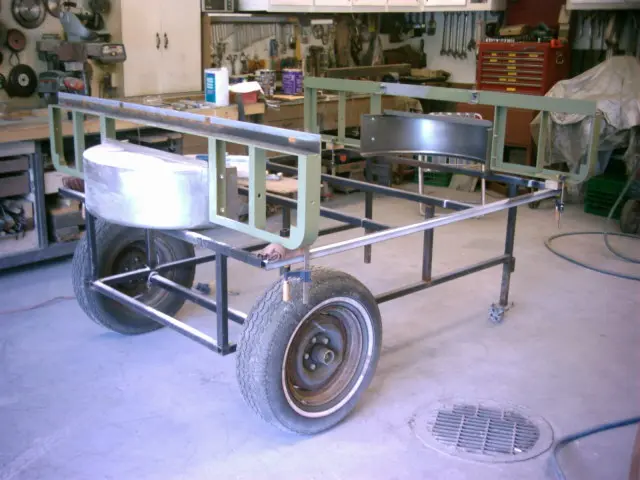
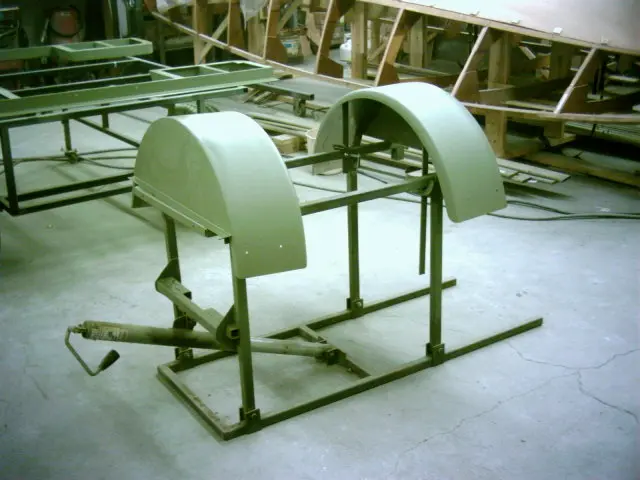
2. With the main body of the trailer completed, it's time to finish up the inner fenders.
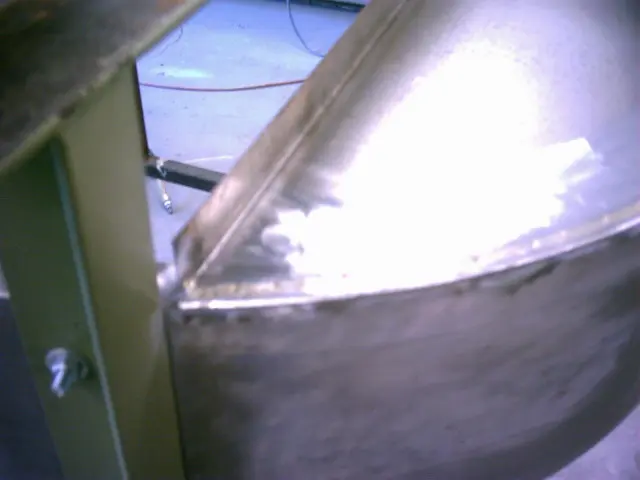
3. The seam was brazed with an oxy-acetelyne torch and ground smooth.
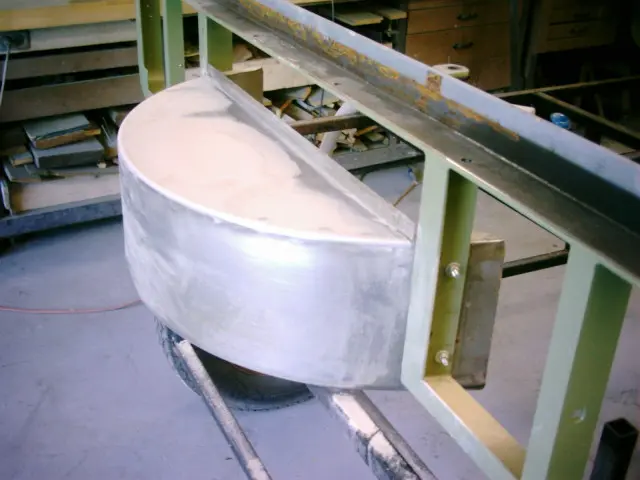
4. Body filler was applied to the inner fenders and air-filed smooth.
5. Fenders get a prime coat of Dupont DTM urethane etching primer.
Trailer: Fenders get a prime coat of Dupont DTM urethane etching primer
1. Fenders get a prime coat of Dupont DTM urethane etching primer.
2–3. Primed fender steps.
4. A white base coat is applied to kick up the topcoat color. Several rounds of Imron metallic silver complete the job.
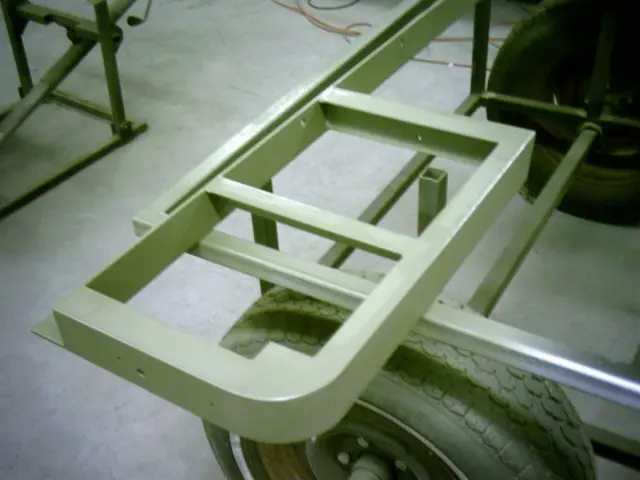
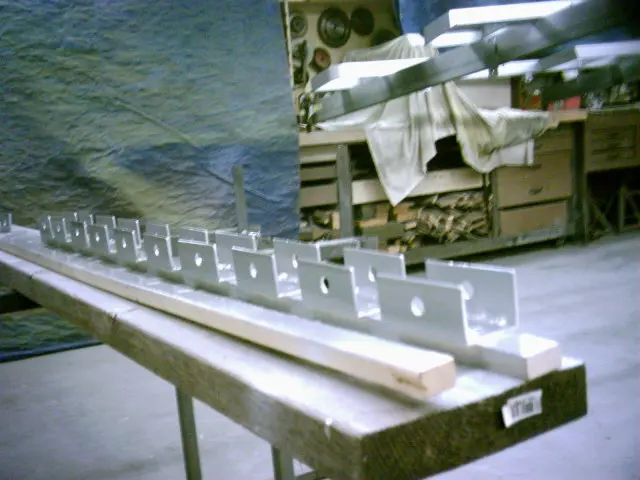
5. We detailed the bunk supports as well.
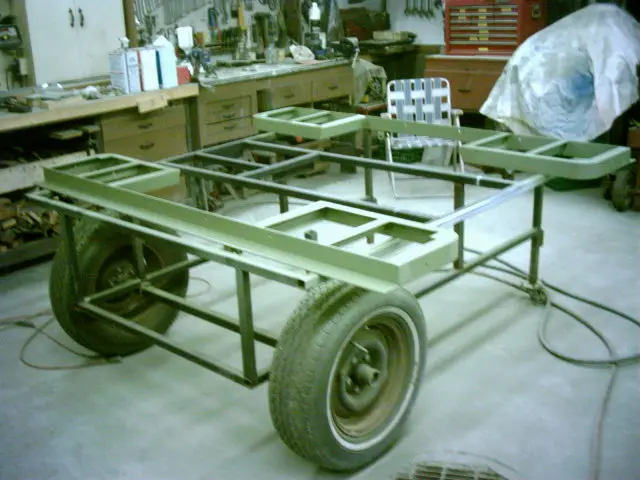
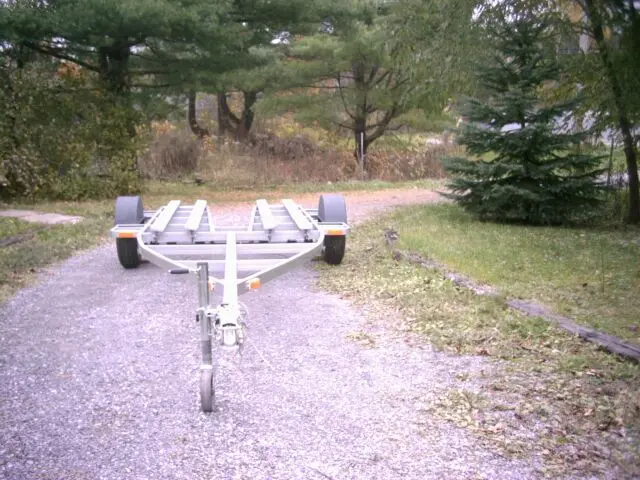
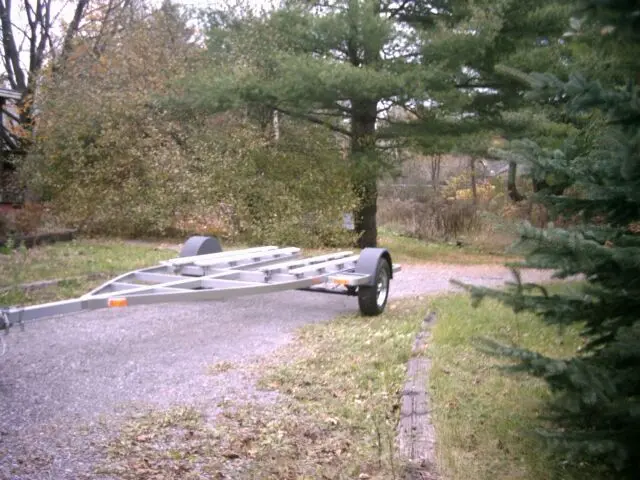
Trailer: Here's the finished product
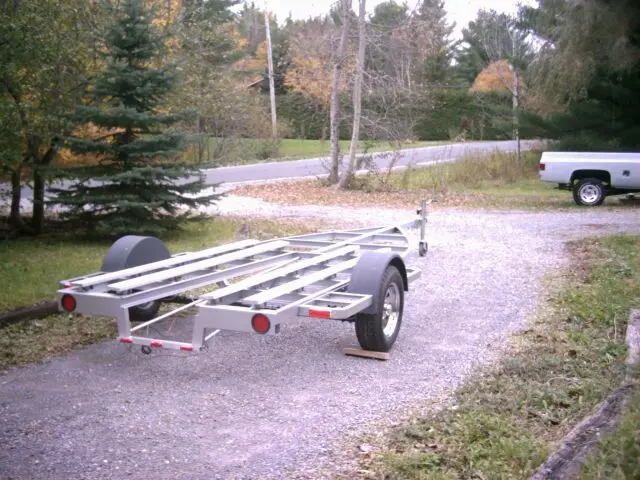
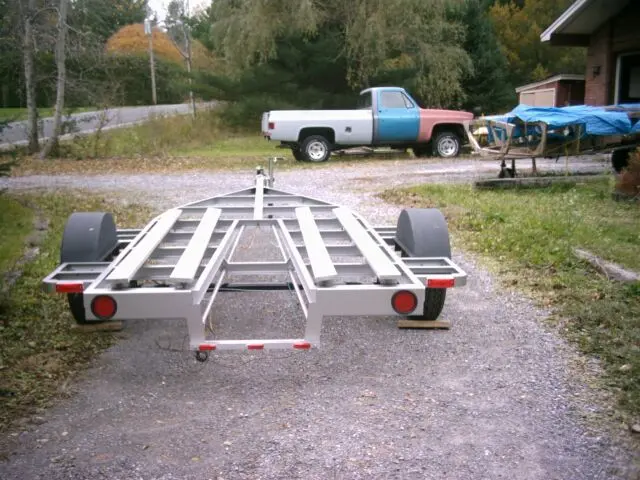
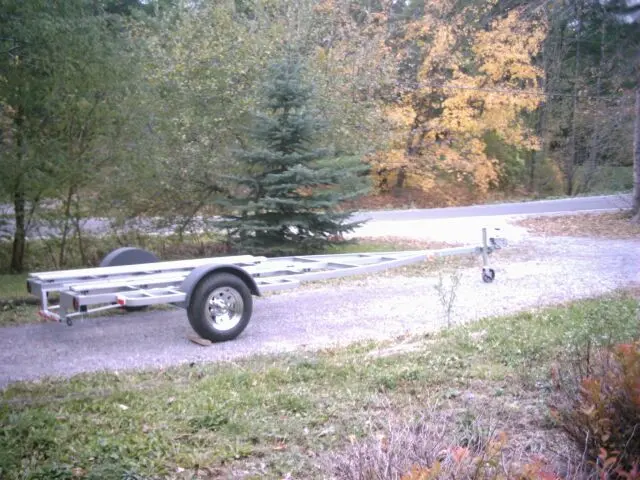
1–2. Here's the finished product. The fenders and tongue will be painted at a later date since they'll likely get scratched up when the topside of the boat is being finished.
3–4. For added safety, boat/trailer packages exceeding 2000 pounds require electric or hydraulic brakes. The hydraulic unit shown is equipped with a reverse lock pin to prevent brake actuation when backing up the trailer.
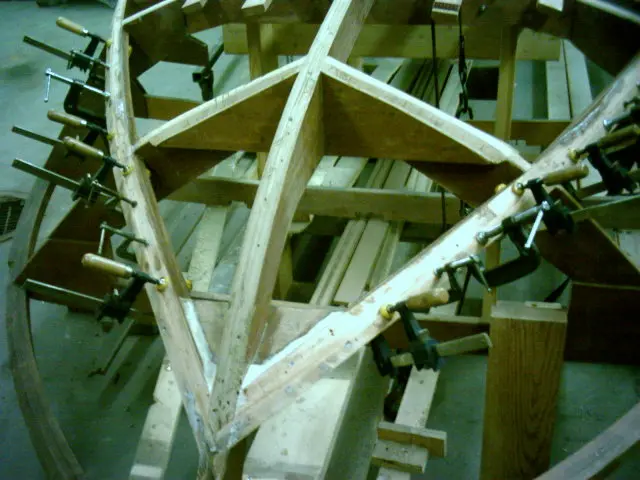
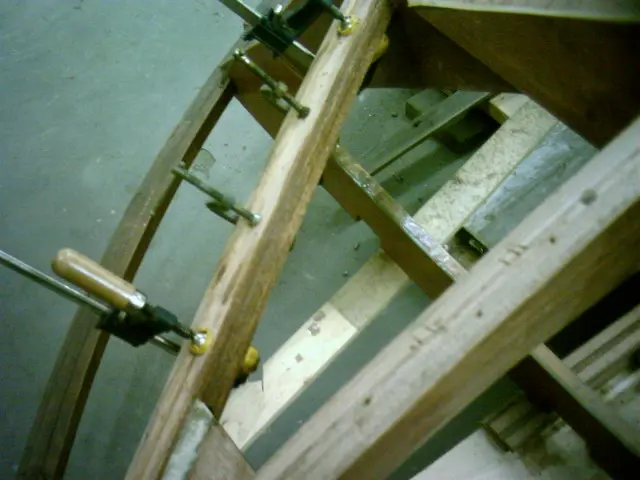
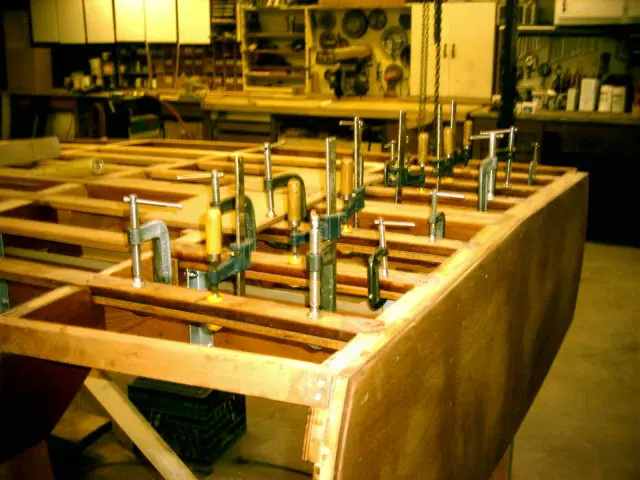
Two layers of 3/8" thick by 2" wide mahogany stock were laminated to the inside chine log surfaces
1–2. Two layers of 3/8" thick by 2" wide mahogany stock were laminated to the inside chine log surfaces. This will restore some strength to the members, lock the frames into position and provide additionnal fastening area for the first plywood bottom screws.
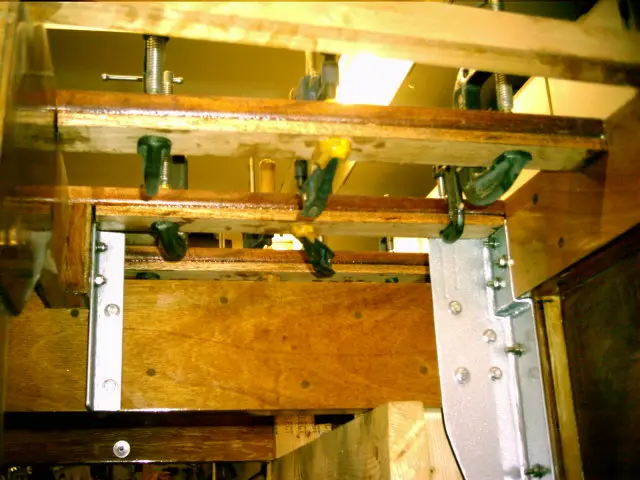
3. A 3/8" thick lamination was added to the rear battens. We'll be cutting 3/8" deep limbers (drainage channels) so additional material must be provided to maintain the batten's integrity.
4. Here's the view from inside the boat.