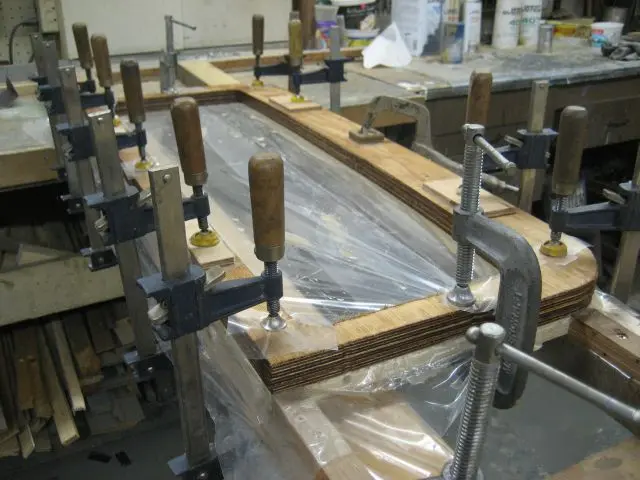
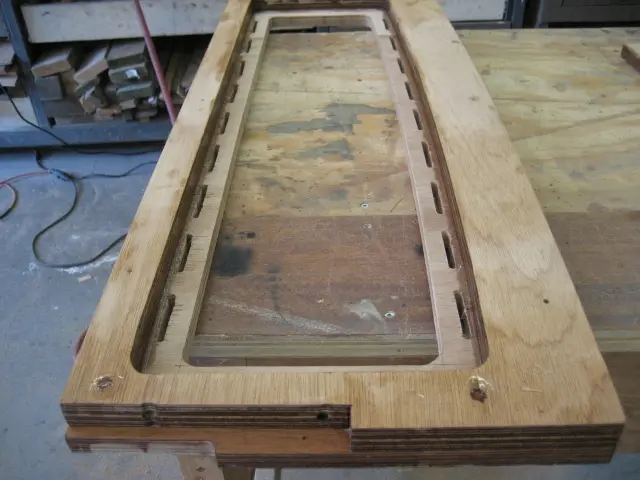
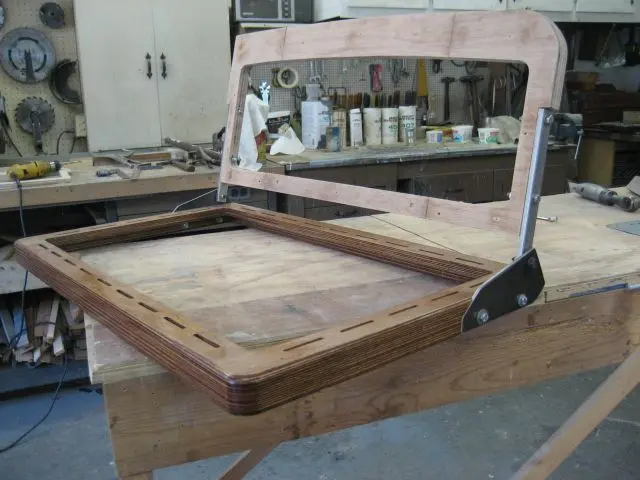
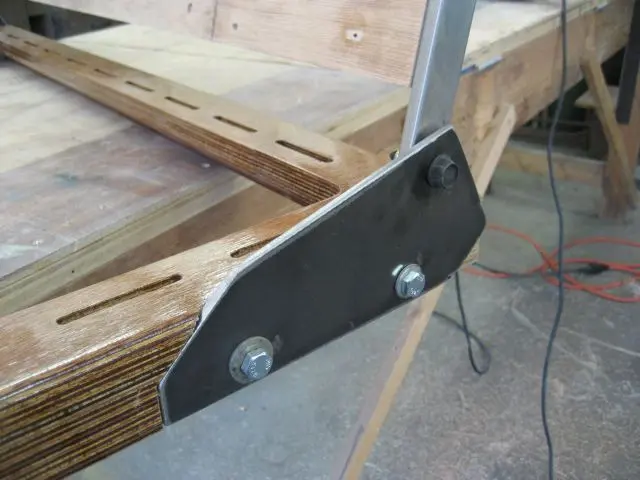
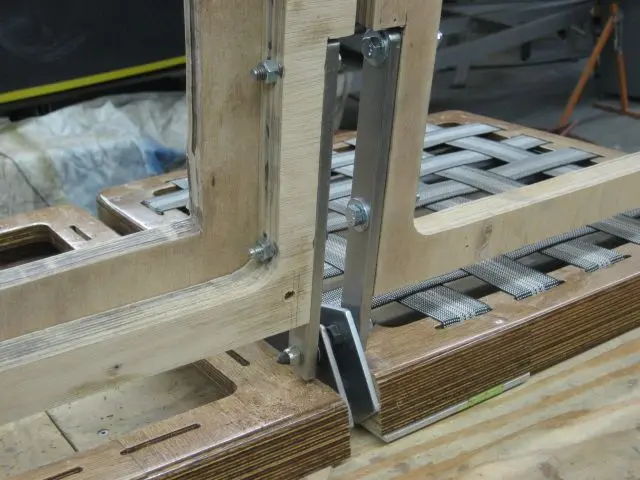
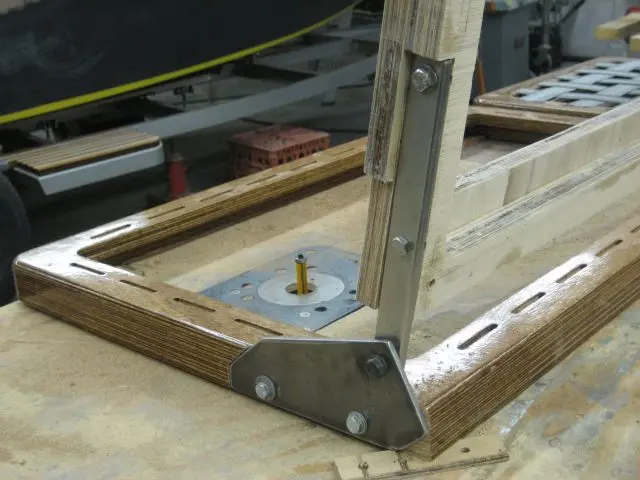
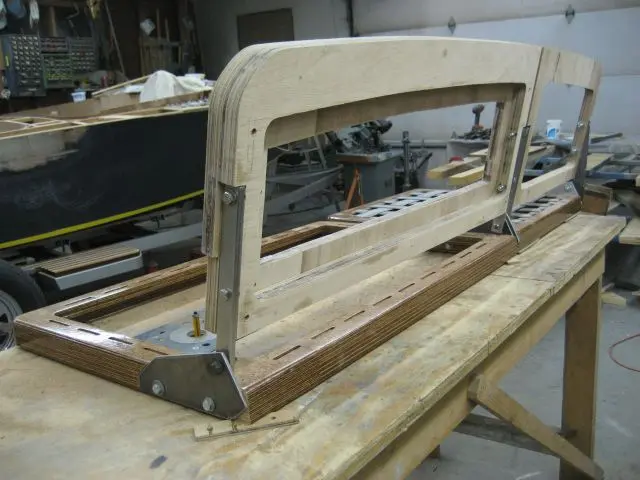
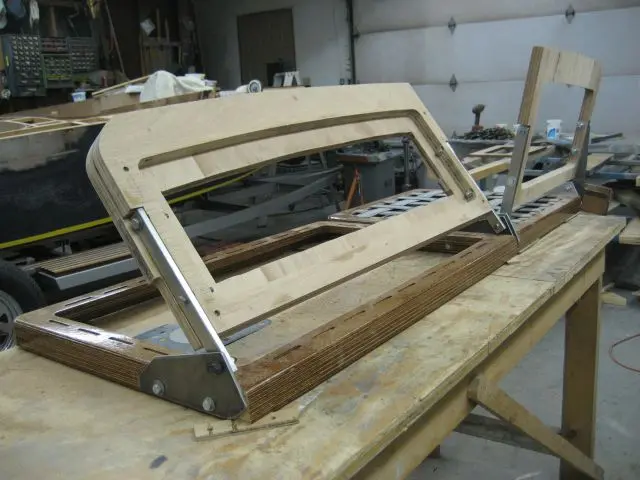
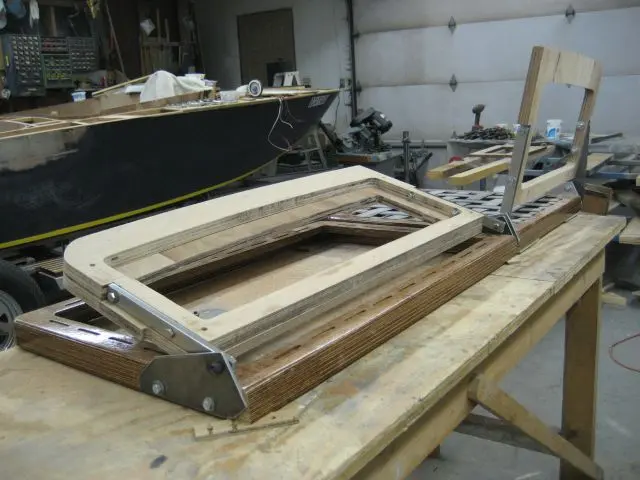
Seats: Passenger seat back hardware layer
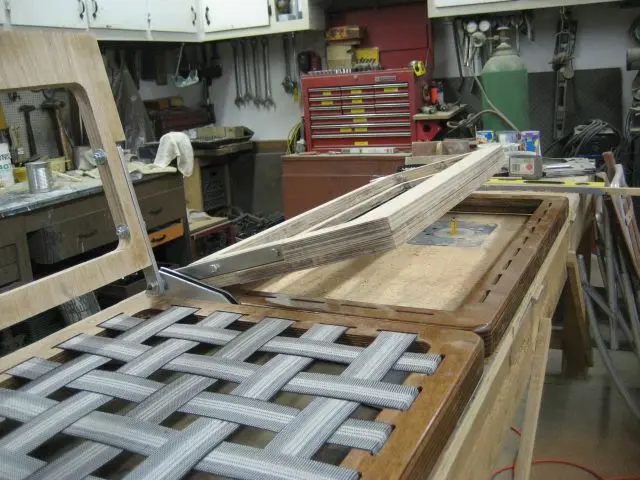
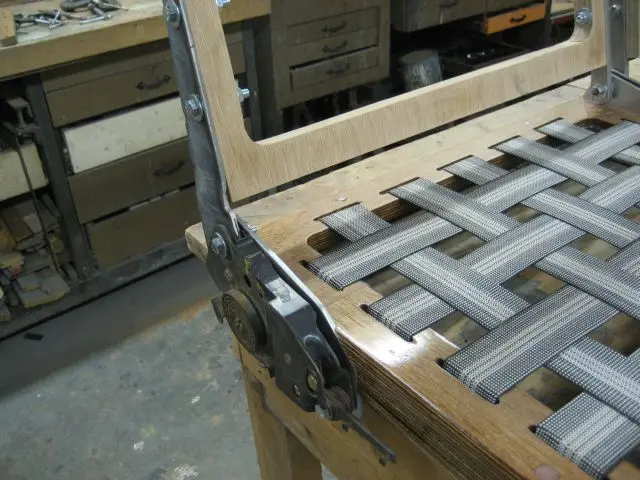
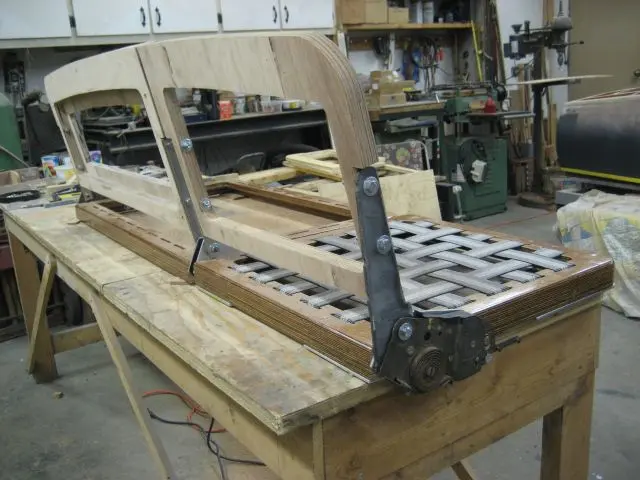
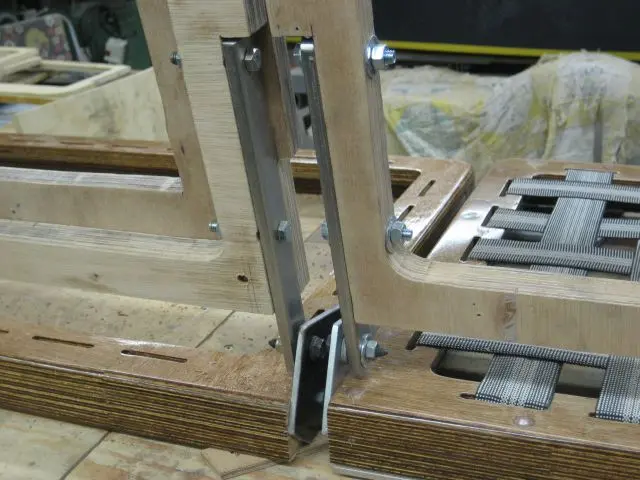
1. Passenger seat back hardware layer.
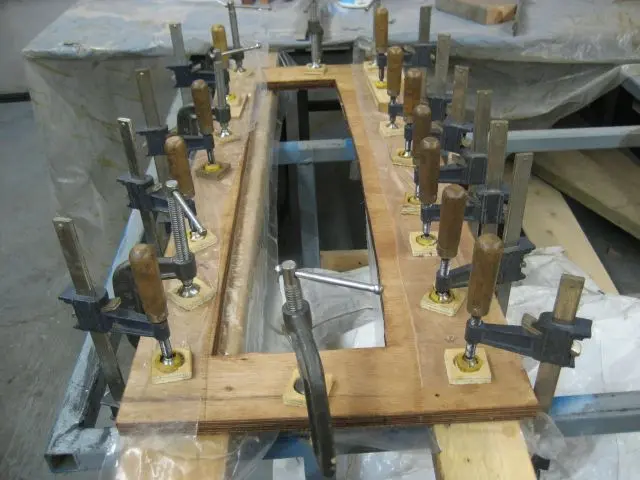
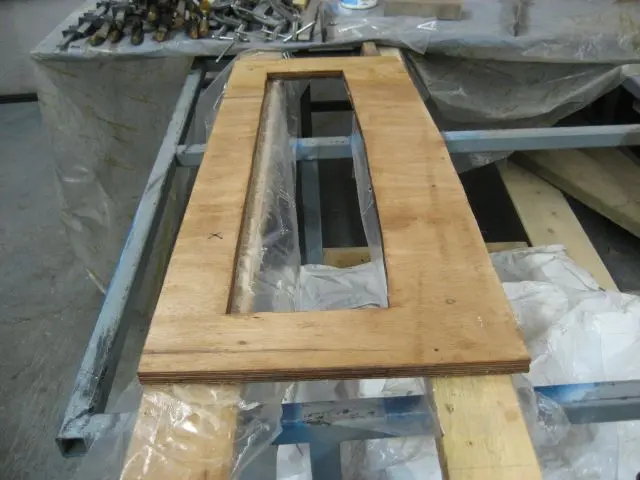
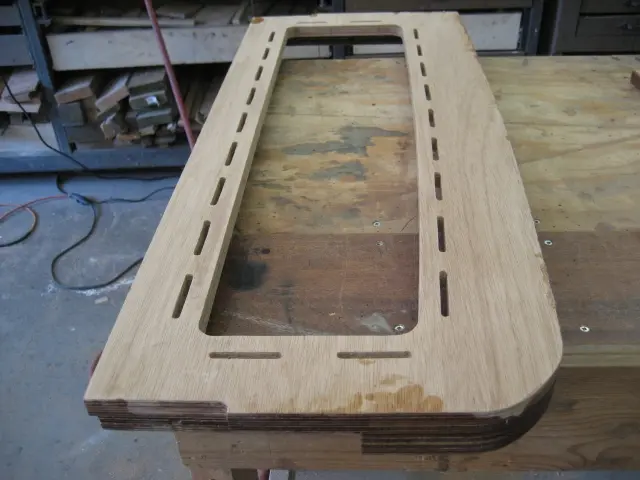
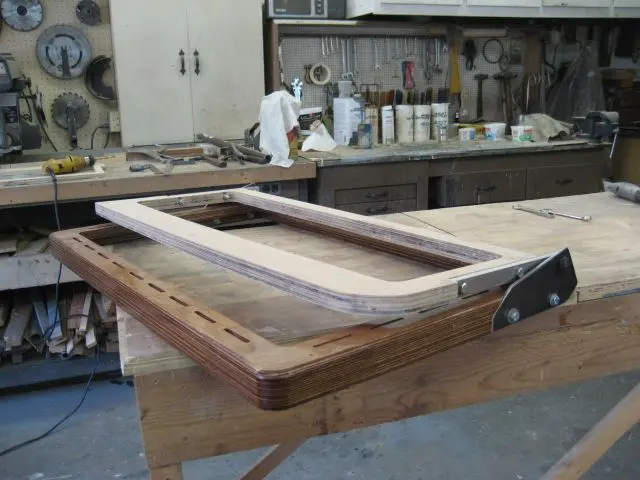
2. Passenger seat back webbing layer.
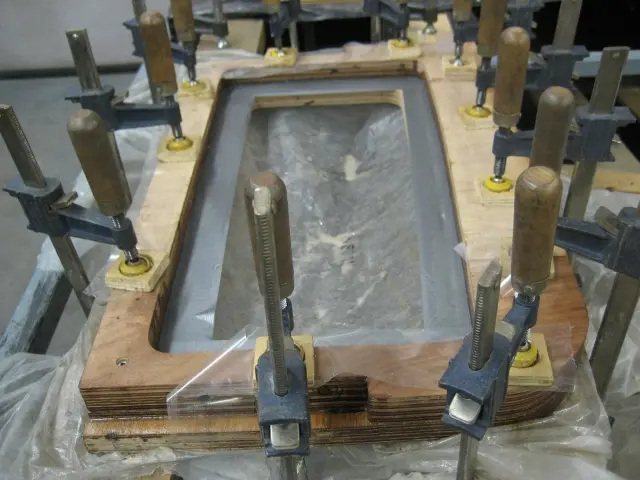
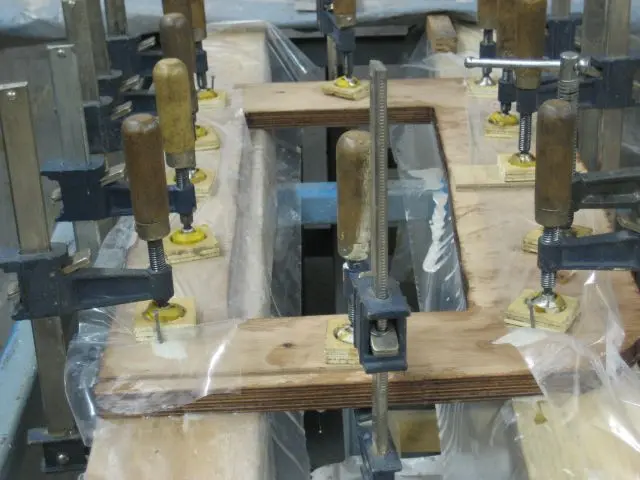
3–4. Both pieces are glued and clamped.
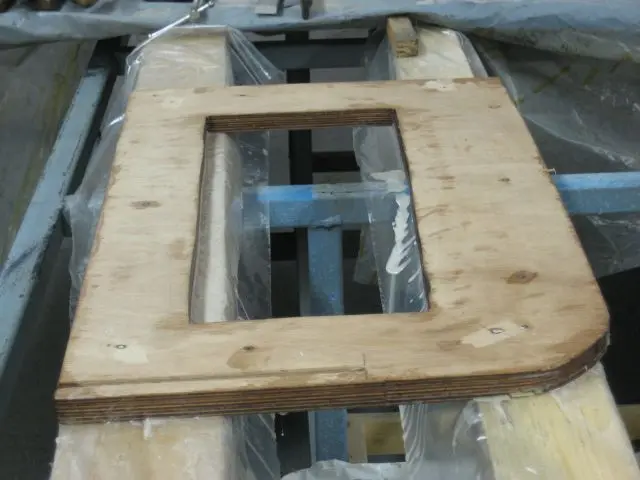
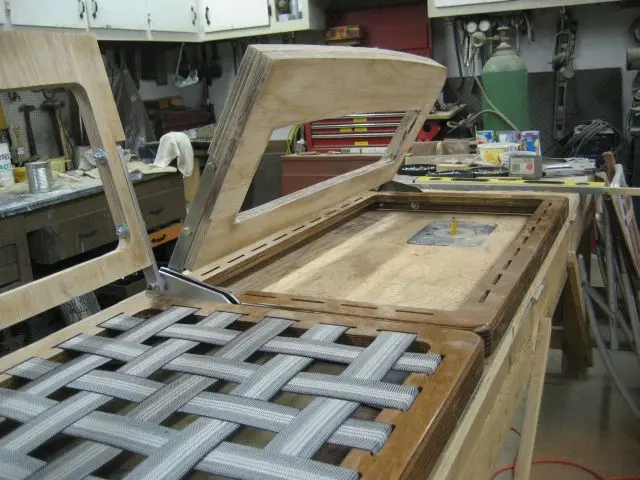
5–6. Passenger seat back folds to horizontal position.
Hot Rod · new build
Launched1. Passenger seat back hardware layer.
2. Passenger seat back webbing layer.
3–4. Both pieces are glued and clamped.
5–6. Passenger seat back folds to horizontal position.
1–2. Driver's seat back webbing layer.
3–4, 6–7, 10–15. Passenger seat back folds to horizontal position.
5. Parts were trimmed and fitted.
8. Driver's backrest is fully adjustable.
9. Seat back tilt mechanism was taken from a GM van.
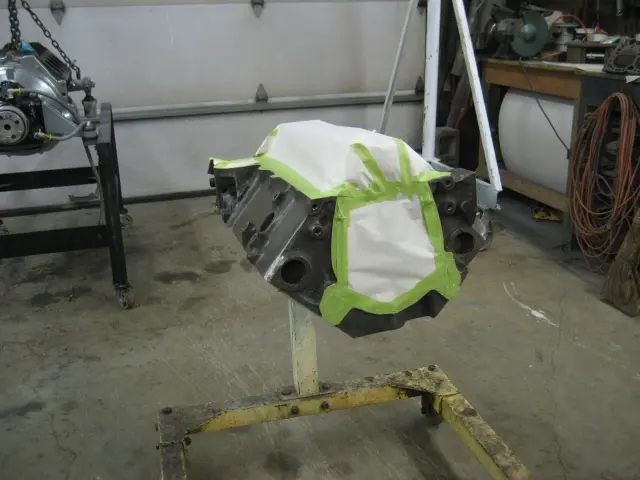
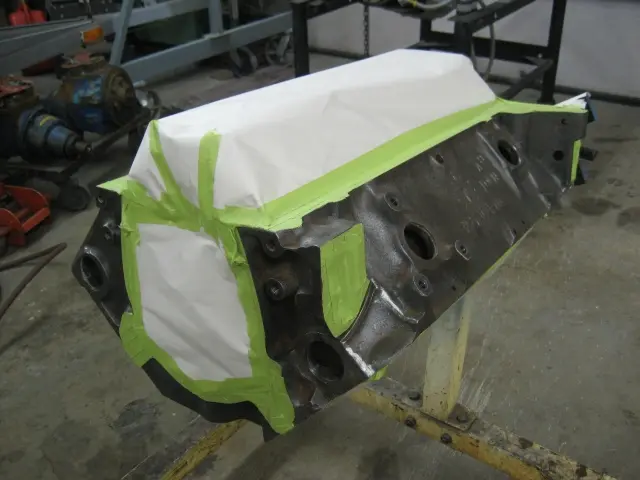
1. Block was stripped to bare metal, prepped and masked to ready it for paint.
2, 4. Hydraulic roller retrofit The early style non-roller block was upgraded to a hydraulic roller setup by using a Comp Cams hydraulic roller retrofit kit (Comp # 12-417-8, Grind Number XM 270HR). Cam specs are as follows: Gross valve lift:.495 /.503 Duration @.006 tappet lift (Intake/Exhaust): 270° / 276° Duration @.050" lift (Intake/Exhaust): 218° / 224° Lobe separation: 112° Intake Centerline: 110°
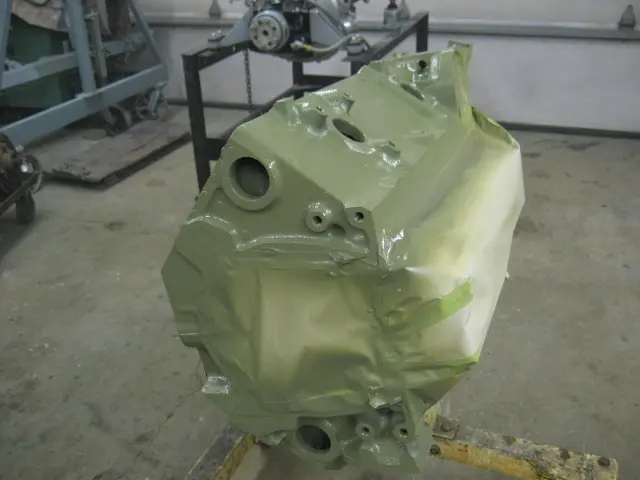
3. Block was primed with DuPont 2580CR DTM urethane primer.
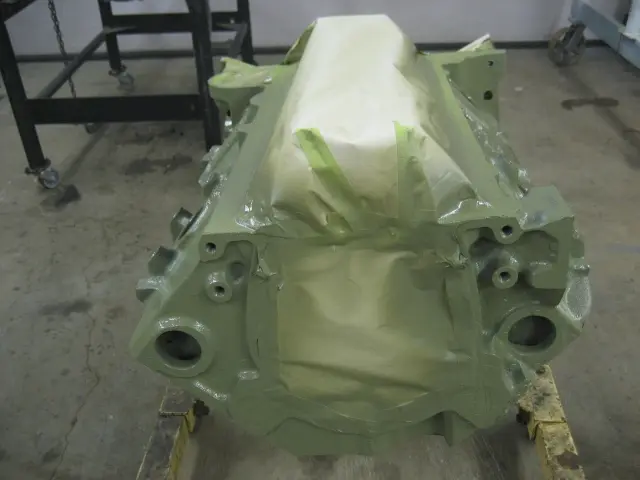
1. Prior to painting, the block was sent out for hot tanking, magnafluxed to check it for cracks and fitted with an ARP main stud kit. When switching from main cap bolts to studs, clamping force and tolerances will change. The main bearing caps were installed with the new studs and the block was align honed to restore the clearances.
2. Topcoat is Dupont Imron black urethane.
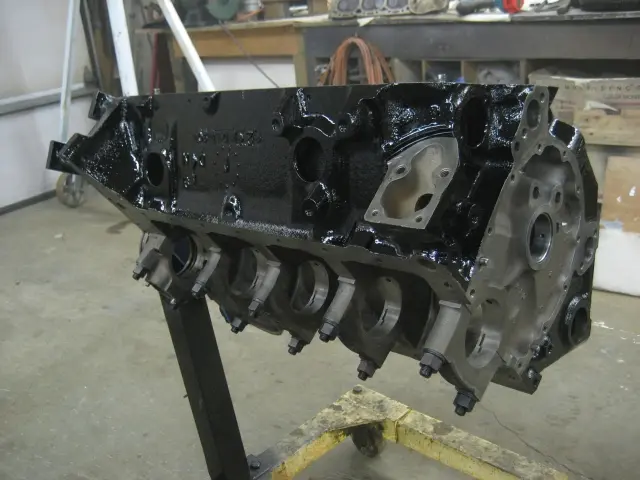
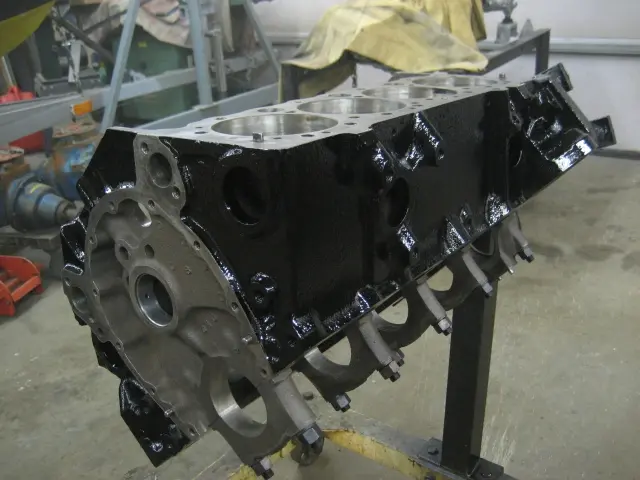
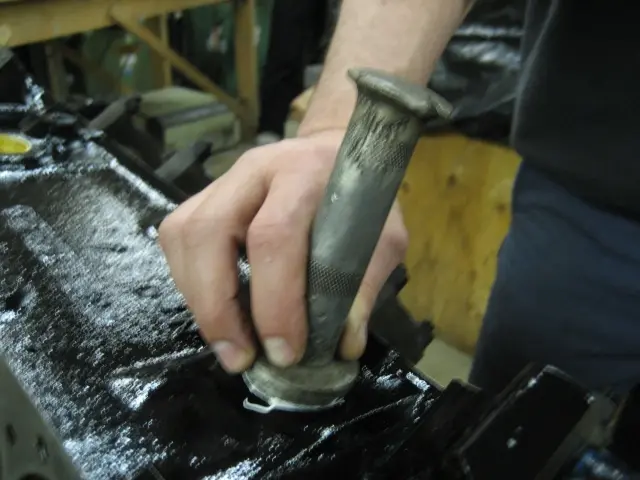
Brass freeze plugs were coated with thread sealant and installed with a drift.
Nobody else here is logging a Hot Rod yet. See the boat.